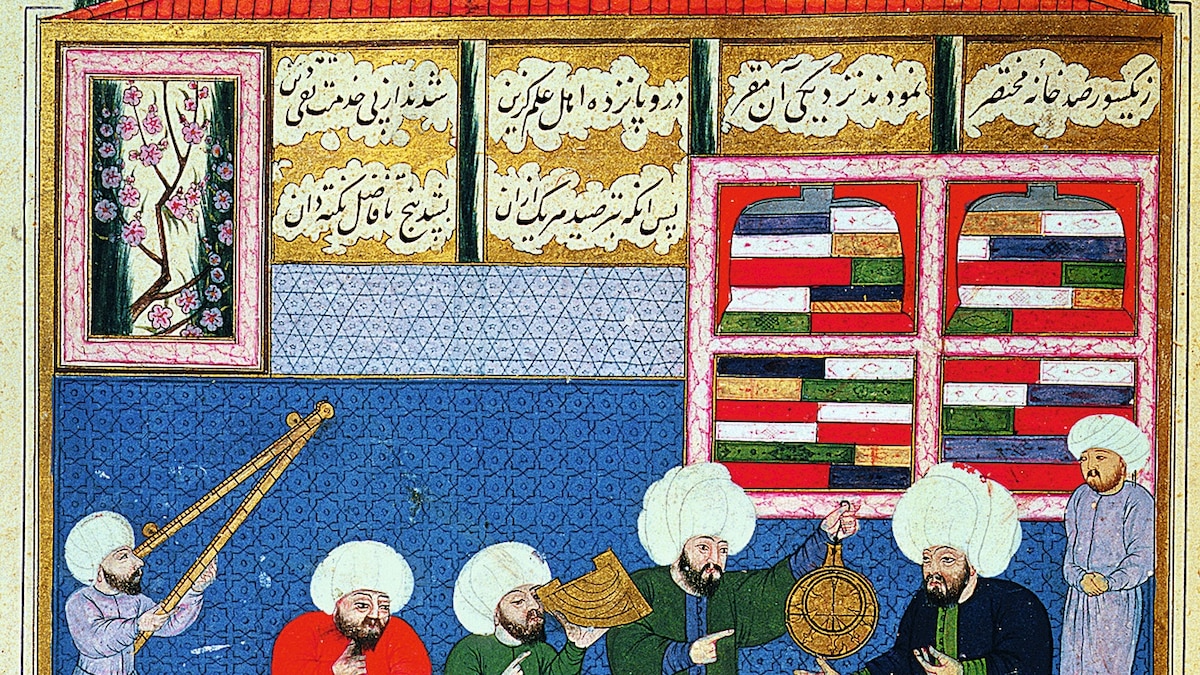
While much of Europe was stuck in the Dark Ages, the spread of Islam led to innovations in math, science, and medicine. These are the inventions we're still using today.
No comments yet.
Sign in to comment.
Other articles with overlapping topics.
Each summer, the Common Ridings—among the world’s largest and oldest equestrian spectacles—culminate in a grand party in more than a dozen charming Scottish towns. But their origins are much less celebratory.
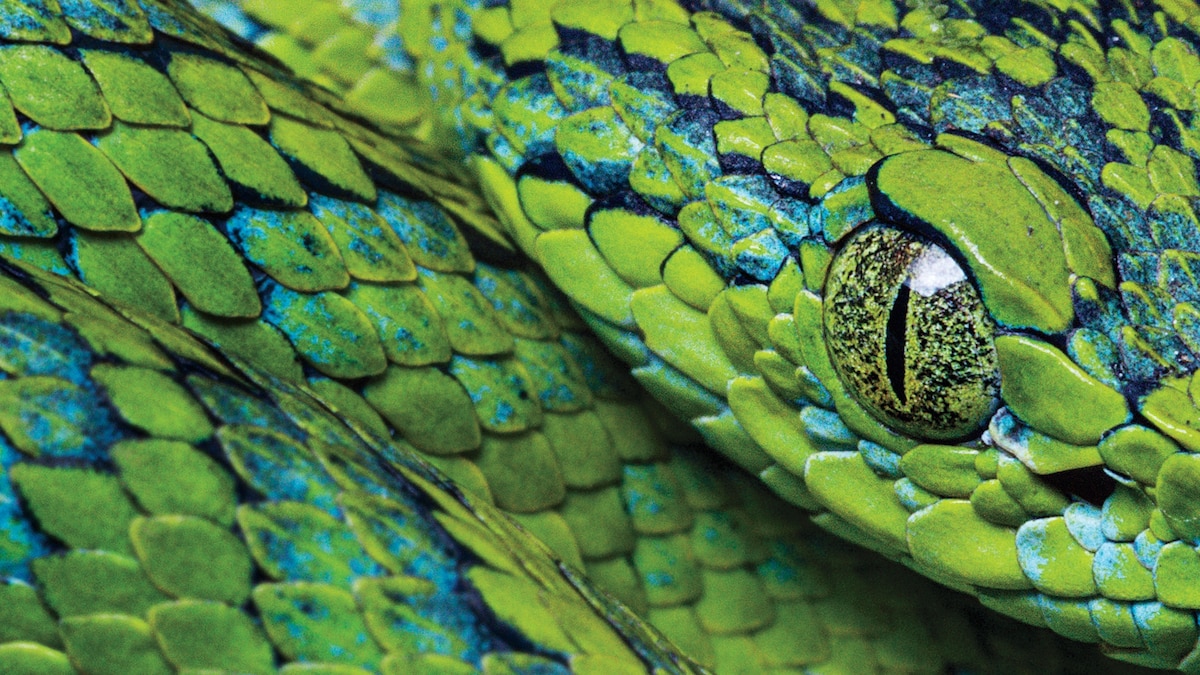
High in the cloud forests of western Honduras, the elusive jade palm pit viper has become a symbol of a vanishing ecosystem—and a critical part of a new effort to save it.
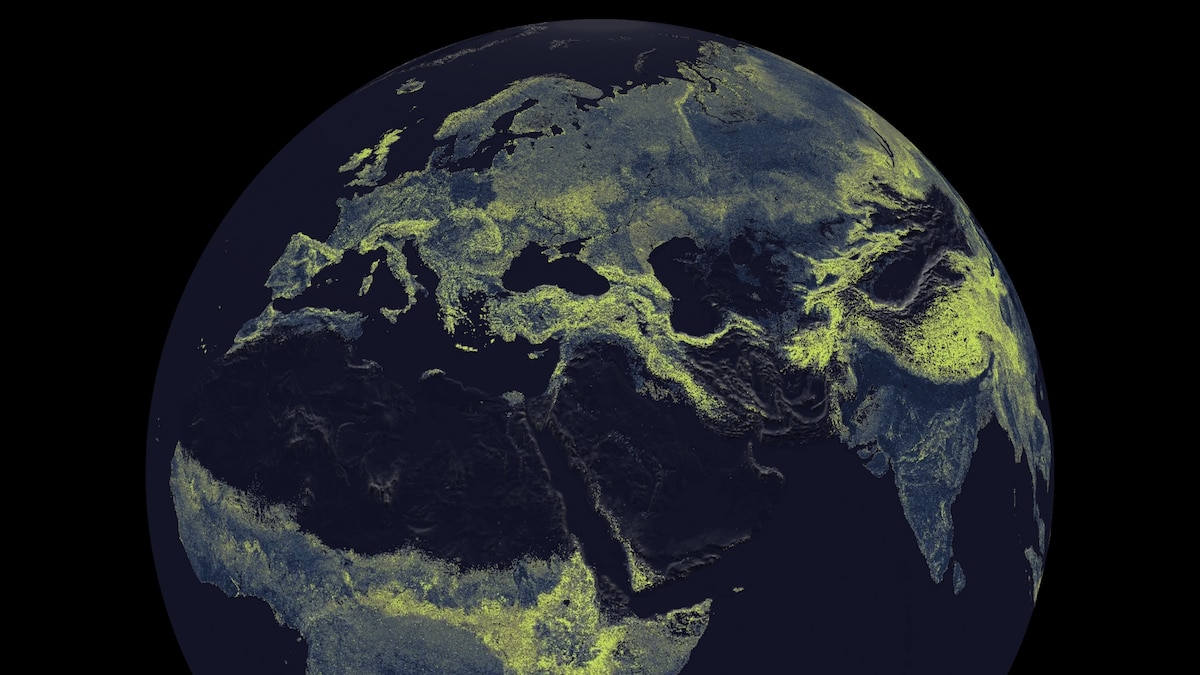
Scientists created the first-ever map of this vast underground fungal network and found it could stretch to the sun and back more than a billion times.
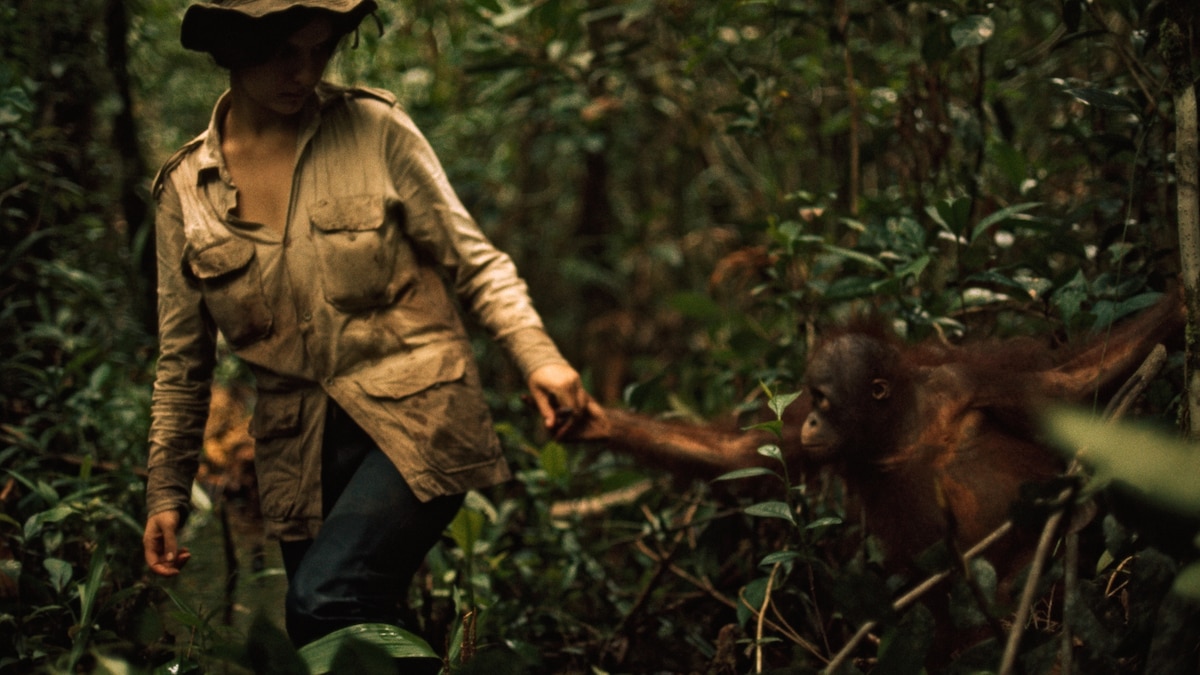
National Geographic Explorer Biruté Galdikas was the third of the so-called Trimates, alongside Explorers Dian Fossey and Jane Goodall. She spent thousands of hours in the jungles of Borneo for the first long-term study of orangutans. Her findings changed how we saw these incredible animals, and made for one of National Geographic’s most iconic covers.
At the edge of human endurance, the marathon monks say, the boundary between life and death becomes paper-thin.
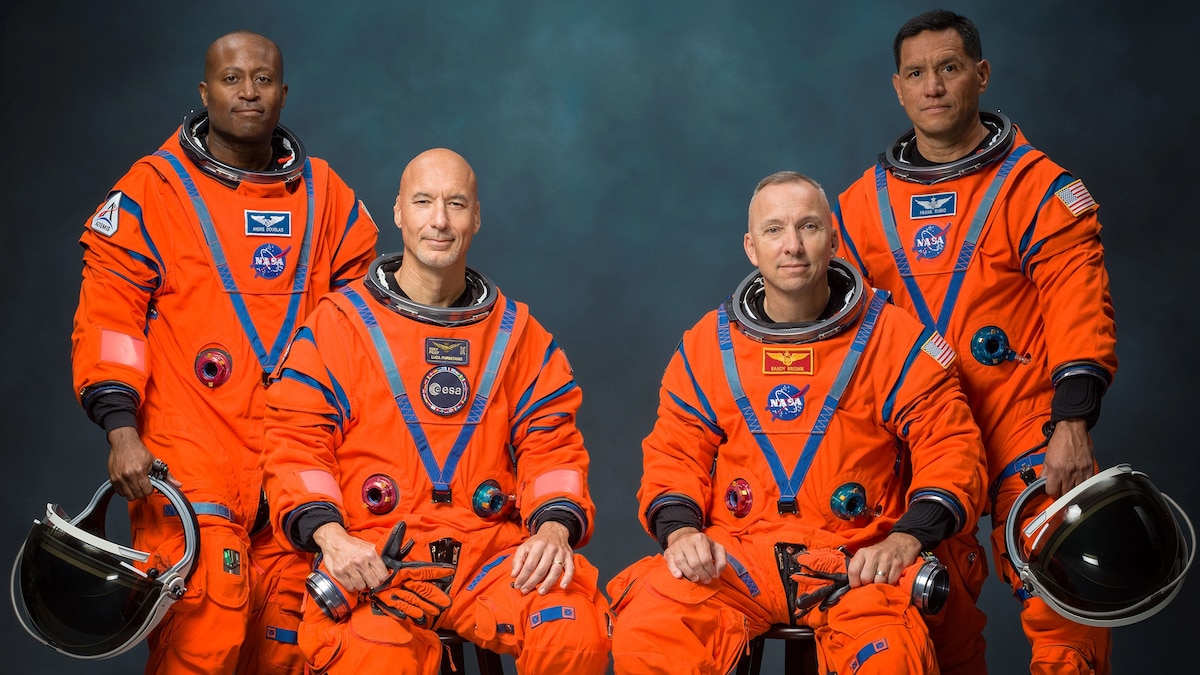
Commander Randy Bresnik and three others will attempt to dock with two different lunar landers in Earth orbit, paving the way for a future moon landing.